In Australia, the frequency of vertical transportation inspections is set by the relevant state or territory government. In most cases, inspections must be performed at least once a year, although some jurisdictions may require more frequent inspections for certain circumstances.
It is important to note that the specific requirements for elevator inspections may vary depending on the location and type of equipment. The Work Health and Safety Act (WHS) stipulates it is the responsibility of persons conducting businesses or undertakings (PCBU), “referred to as ‘employer’ in the Victorian Occupational Health and Safety Act,” to ensure that the plant is properly maintained and inspected in accordance with the relevant states’ statutory legislation and regulations.
Having a lift company perform the mandatory inspections of the equipment does not provide impartiality, as they may have financial or other vested interest in the results of the inspection. This can create a situation where the company may be tempted to ignore or downplay any defects or problems that are found during the inspection to avoid costly repairs or other negative consequences. This can mean there is a level of exposure for the owner of the plant and why the Work Health and Safety Act (WHS) encourages persons conducting businesses or undertakings (PCBU) to take a constructive role in ensuring appropriate scrutiny and reviews by way of advice (consultation).
Therefore, it is important to have an independent vertical transportation consultant with no affiliation to the service provider conduct regular inspections of your vertical transportation equipment. Having the equipment reviewed by a third party ensures the inspection has been conducted objectively with the safety of the users in mind and that any problems or defects that are found are documented and addressed promptly and appropriately.
This helps the owner demonstrate they have taken steps, as far as is reasonably practicable, to ensure the safety of the vertical transportation system which helps to mitigate the owner’s liability in the event of an accident or incident involving the equipment.
A maintenance audit typically includes a comprehensive evaluation of the service provider’s maintenance procedures, maintenance records, breakdown records, maintenance contract reviews, and the overall condition of the equipment. A maintenance audit aims to identify any potential issues or areas for improvement in the system’s ongoing maintenance and operation.
During a maintenance audit, TLC will perform an extensive review of the vertical transportation equipment and all relevant documentation including but not limited to:
Maintenance records:
Maintenance procedures:
Maintenance contract:
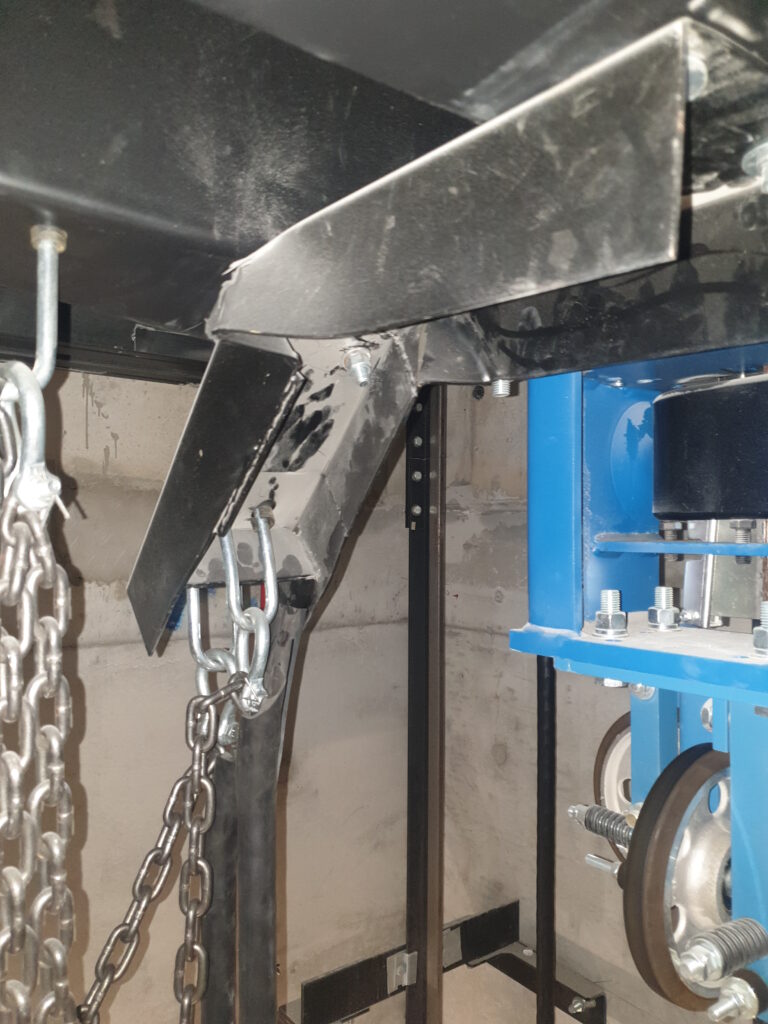
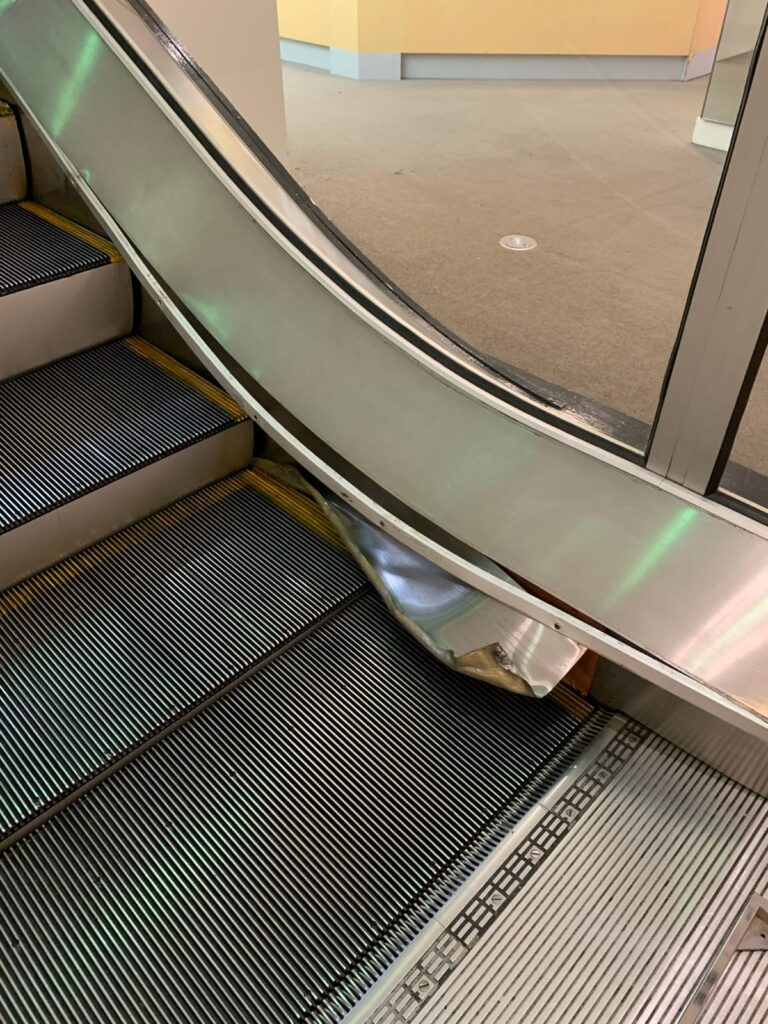
Examining the equipment:
Testing the equipment:
Providing recommendations:
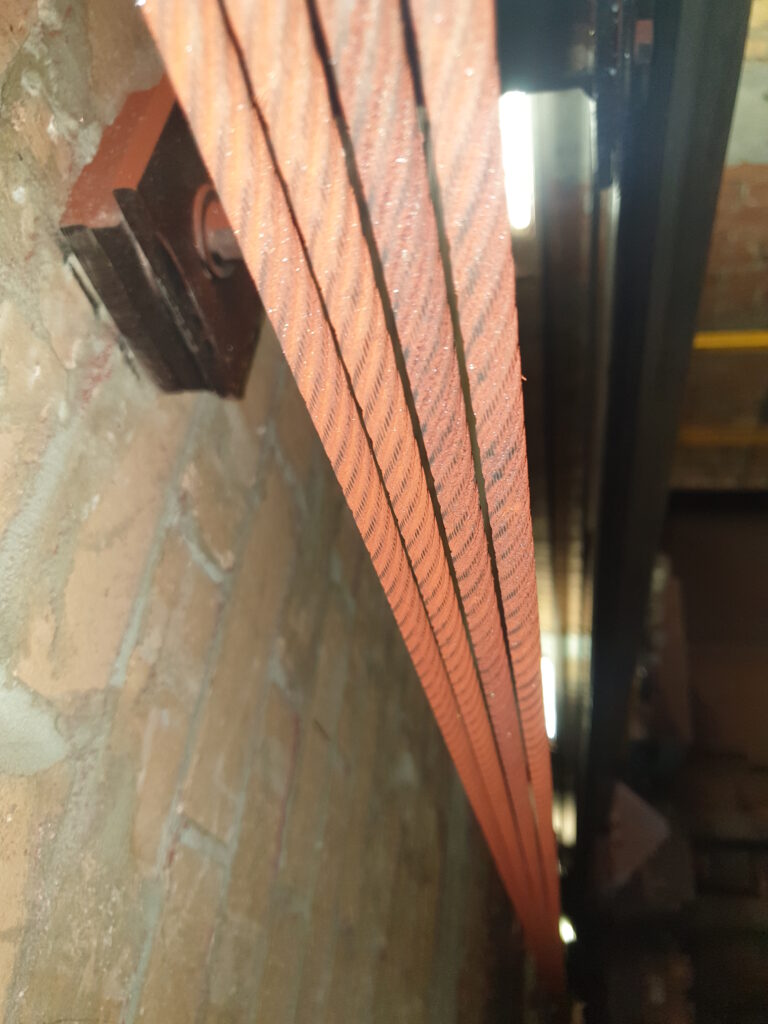
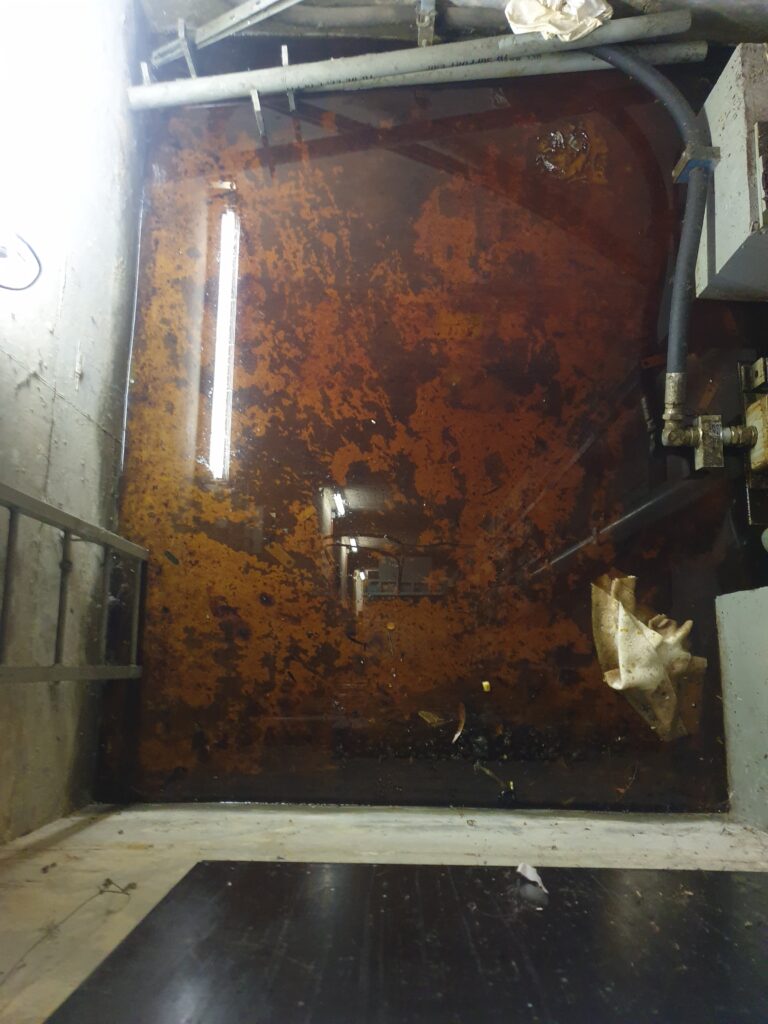
TLC can combine both the mandatory inspections and maintenance auditing when we perform our assessment of any vertical transportation system. This ensures that the equipment is independently reviewed not only for safety but its reliability, condition, compliance, and maintenance levels, along with a complete evaluation of the terms of the contract and its suitability.
By performing a thorough and objective inspection in this way, TLC can help our clients address any potential safety issues or concerns, ensure the equipment is in a good serviceable condition, highlight any contractual issues, and identify compliance items that may expose the owners to litigation.
Whether you are unhappy with your service provider or equipment’s performance, suspect reactive maintenance may be occurring in lieu of preventative maintenance, are unsure of a service provider’s duty of care items you may have received, or just wish to have an independent assessment to minimise your level of exposure, the team at TLC are here to help.
Our team has extensive industry knowledge and experience in a variety of areas, from the design, installation, maintenance, and repair of vertical transportation equipment. Applying objectivity, we can provide valuable insights and recommendations based on our comprehensive understanding of the installed vertical transportation equipment and its performance.